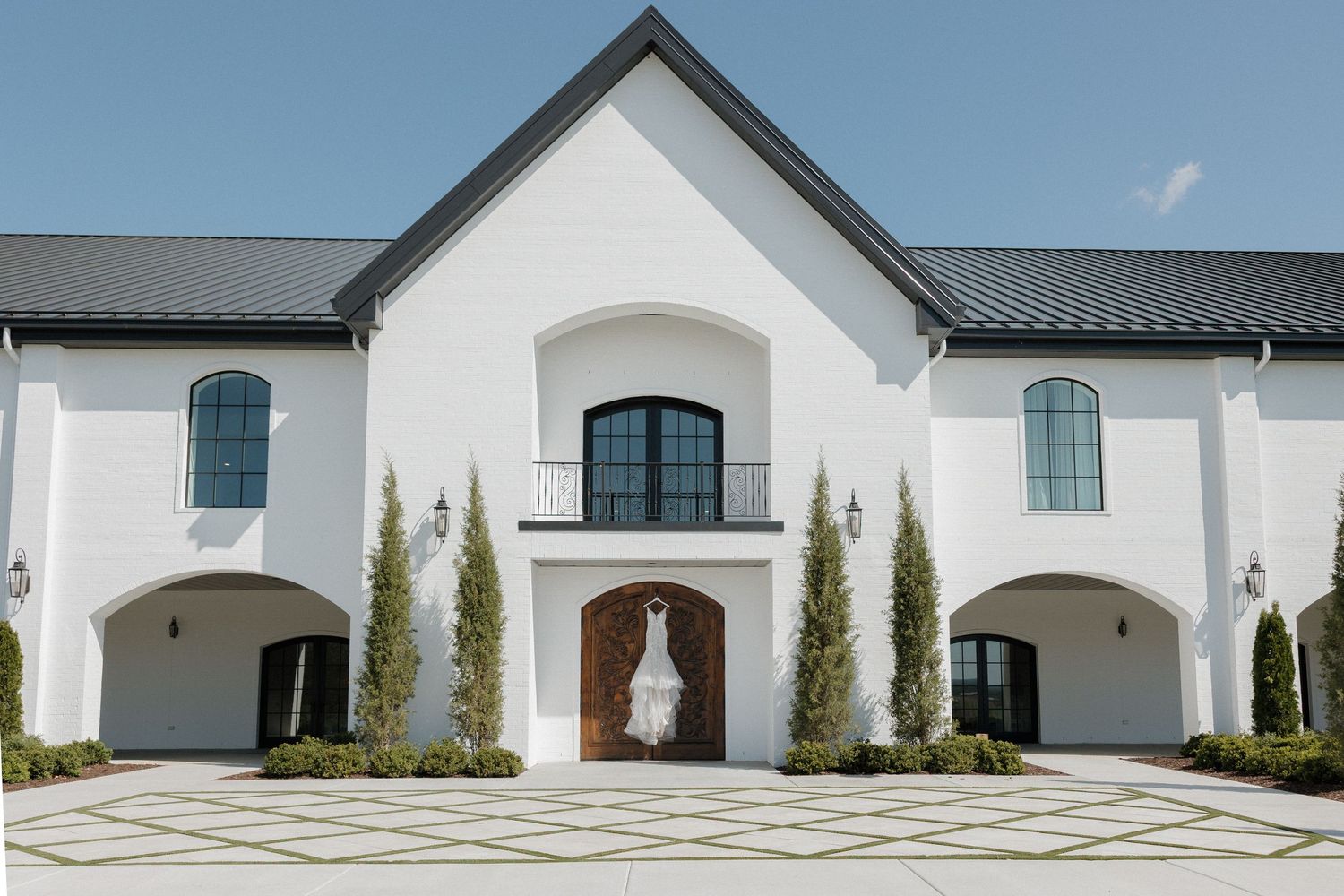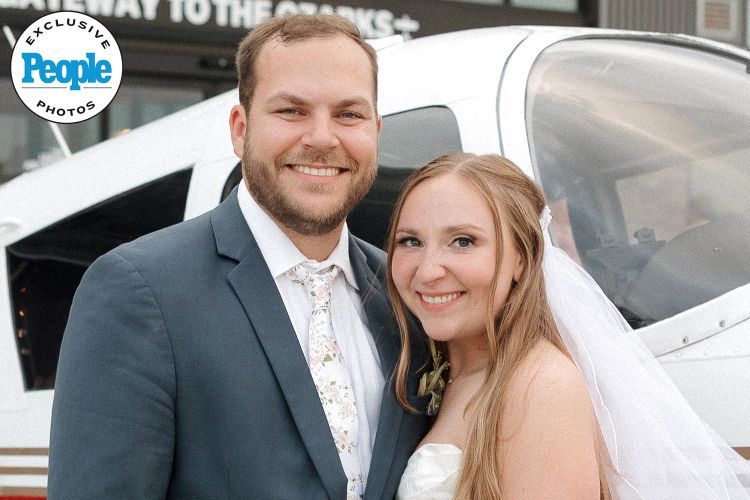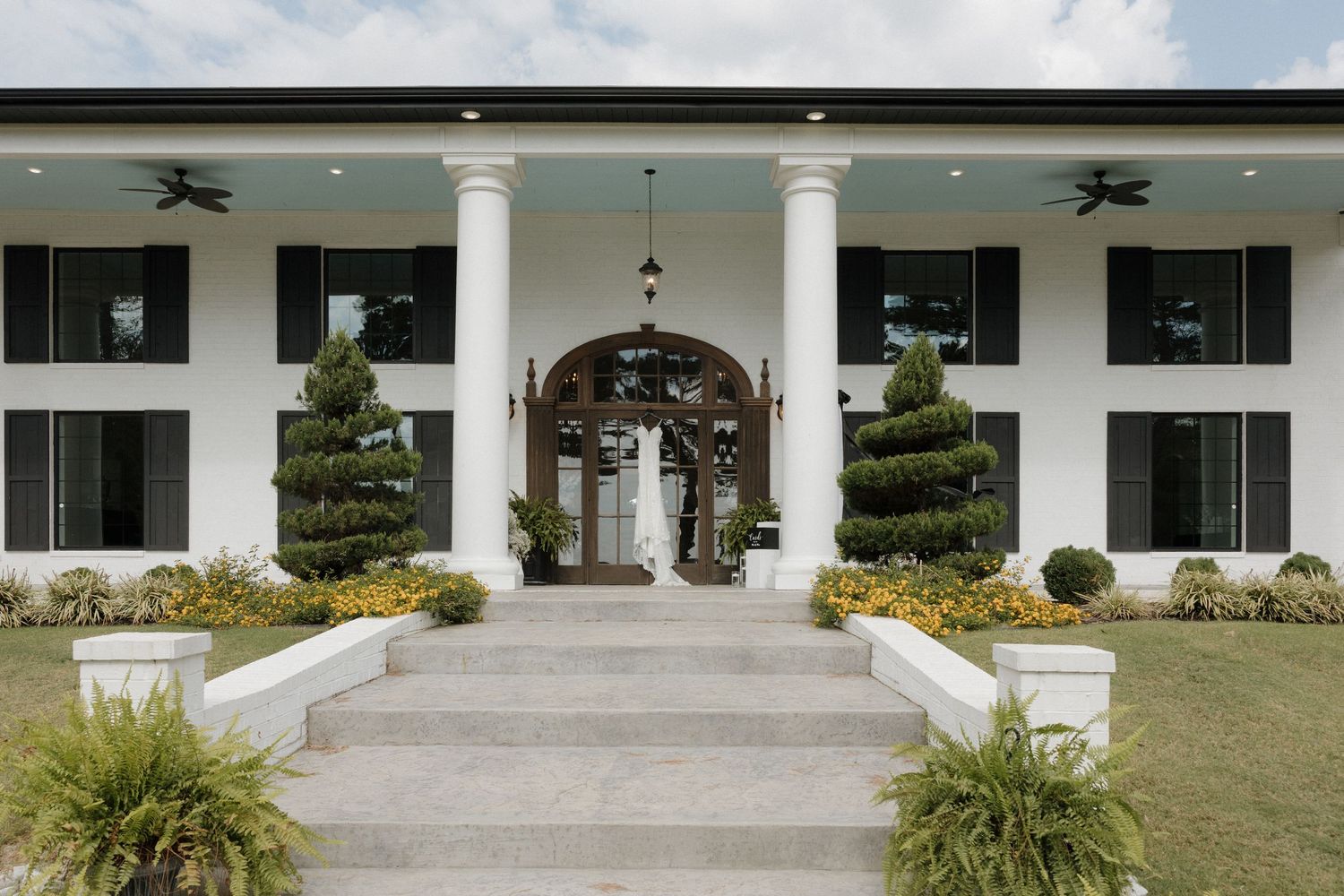
This is a common question that I hear being asked often! How much time do I actually need for wedding photos? Most of the time this question comes from couples who want beautiful photos AND a relaxed day! I am here to tell you that that is definitely possible. Creating a realistic photo timeline creates breathing room! Here are some of my insights into what goes into creating a good timeline and near the bottom you can find a sample timeline for inspiration.
Some Things to Think AbouT:
- Size of wedding party
- Whether you’re doing a first look
- Number of locations
- Travel time between venues
- Season and daylight
The Big Picture: A Realistic Photo Timeline
Getting Ready:
- 60–90 minutes
- Allows for details, candid moments, and breathing room
First Look + Couples Portraits (if applicable):
- 30–45 minutes
- Creates calm and flexibility later in the day
Wedding Party Photos:
- 45 minutes total between just groomsmen, just bridesmaids, and whole wedding party
- Best done when everyone is fresh and focused
Family Photos:
- 20–30 minutes
- Faster with a list and clear direction
Ceremony:
- Length varies, most of my ceremonies last around 30 minutes
- Build in buffer before and after
Golden Hour Portraits:
- 15 minutes, if we did photos earlier in the day!
- This is super important for planning out your timeline. Winter months have limited sunlight so make sure to check when the sunset is estimated to be on your wedding day.
Reception Coverage:
- 2–4 hours depending on events
- Covers entrances, toasts, dances, and open dancing
First Look vs No First Look: Timeline Differences
How a First Look Can Free Up Time Later
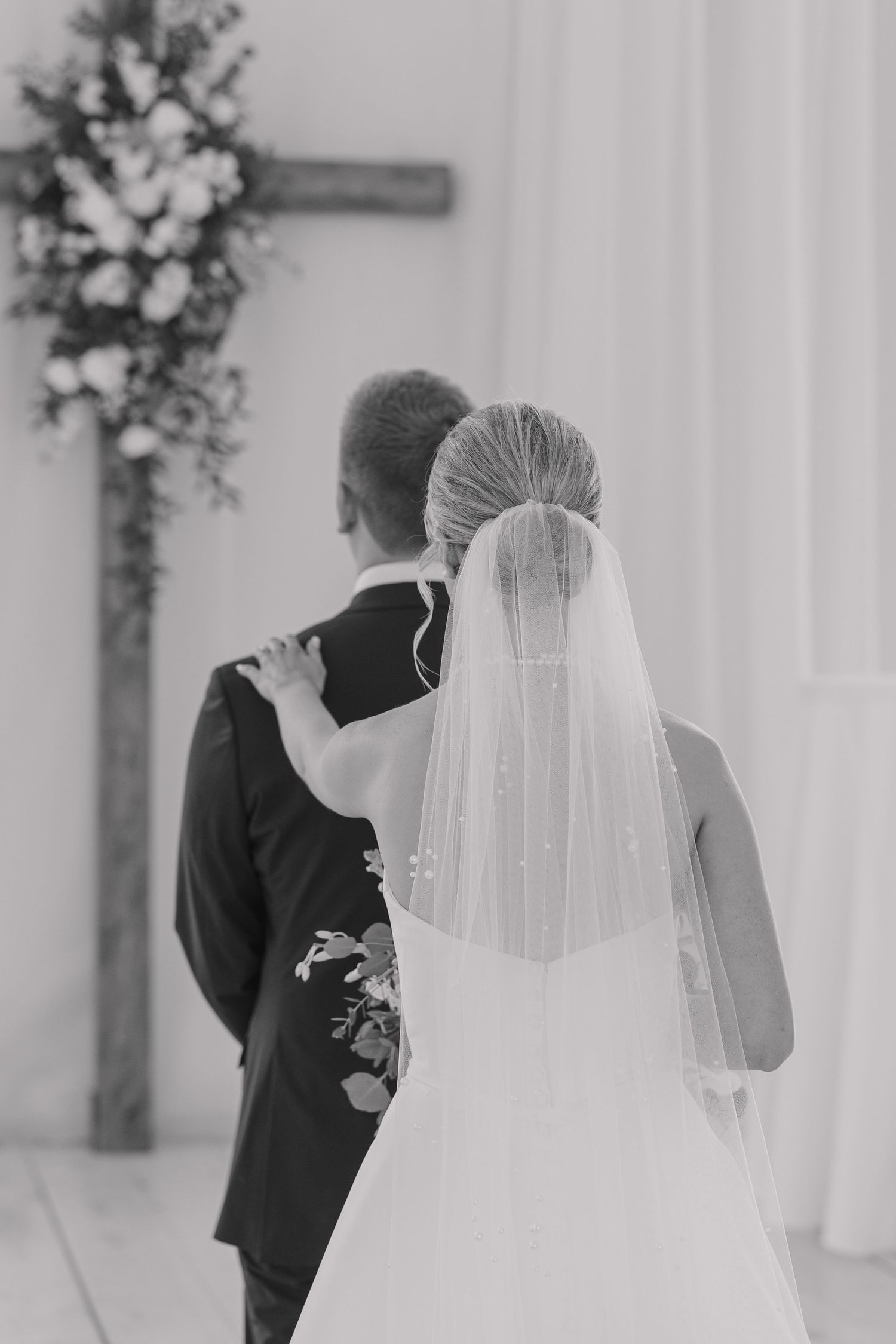
One of the biggest differences in a wedding timeline is whether or not you plan tot have a first look and how that affects the way your time is used on your wedding day! When you see each other before the ceremony, we’re able to take care of most of your portraits earlier in the day. That means fewer things competing for your attention once the ceremony is over.
Here’s how it helps:
You’re Not Rushing Right After the Ceremony
Without a first look, the entire portrait list gets pushed into cocktail hour. With one, most of those photos are already done, so you can actually enjoy that time with your guests.
Family Photos Move Faster
Immediate family photos can happen before the ceremony while everyone is fresh and nearby. This keeps post-ceremony photos shorter and more relaxed.
More Flexibility in the Timeline
If something runs late earlier in the day, you have wiggle room. A first look builds in buffer so the rest of the day doesn’t feel like you’re constantly catching up or racing against the clock.
Golden Hour Becomes Easy
Instead of trying to squeeze all couple portraits into a tiny sunset window, golden hour can be a quick 10–15 minute refresh. You get the light without leaving your reception for long and leaving guests waiting.
You Get More Time Together
A lot of couples don’t realize how little time they’ll actually spend alone on their wedding day. A first look creates a quiet moment that’s just yours, before the day gets busy.
Why Skipping a First Look Isn’t Wrong, Just Different
Not doing a first look doesn’t necessarily mean your day will be chaotic or rushed. It just means the timeline is built a little differently. For some couples, seeing each other for the first time during the ceremony is something they’ve dreamed of for years and that makes it the perfect choice for their day.
Here’s what skipping a first look really means:
YOUR PORTRAITS HAPPEN LATER
Most couple, wedding party, and family photos take place after the ceremony. This usually happens during cocktail hour, so that time is more photo-focused.
THE TIMELINE NEEDS A LITTLE MORE STRUCTURE
Without a first look, post-ceremony time becomes more important. Clear family photo lists and buffer time help everything move smoothly.
GOLDEN HOUR IS MORE INTENTIONAL
We will likely use this time for the majority of your couples photos and so it is important that we schedule around this time.
THE DAY STILL FLOWS BEAUTIFULLY
With good planning, skipping a first look doesn’t have to feel rushed! Intentionally carving out times for photos after your ceremony and clearly communicating to those involved helps everything flow smoothly.
Common Timeline Mistakes I See (and How to Avoid Them)
These are easy things to miss when you’re planning on paper, but they can add stress on the wedding day if they aren’t accounted for ahead of time.
Not Accounting for Travel Time
Travel time is more than the drive itself. It includes loading up, parking, walking to the location, and regrouping once you arrive. Even short distances add up quickly, especially with a wedding party. Building in realistic travel buffers keeps the day from feeling behind before it even starts.
Only Scheduling Portraits in Harsh Midday Light
Midday sun can be beautiful, but it’s also the hardest light to work with. Squinting, deep shadows, and heat can make portraits feel rushed or uncomfortable. Spreading portraits throughout the day can help alleviate this without spending huge chunks of time away from your guests.
Overpacking the Day With No Buffer
When a timeline is packed back-to-back, there’s no room for real life. Someone runs late, a moment becomes emotional, or you simply want to pause. A little breathing room keeps one small delay from affecting the entire day.
Trying to Rush Family Photos
Family photos take longer than couples expect, especially when people wander or aren’t sure where to be. Rushing this part can create tension and frustration. A clear list and a dedicated block of time helps this part move smoothly and keeps everyone in a good mood.
What a Smooth Wedding Day Actually Feels Like
A smooth wedding day doesn’t feel rushed or overly scheduled. It feels supported. The timeline is doing the work in the background so you don’t have to think about it.
Fewer Decisions in the Moment
When the timeline is clear, you’re not constantly being asked what’s next or where you need to be.
More Time With Your Guests
Instead of spending cocktail hour or large chunks of the reception taking photos, you’re able to move through the room, hug people, and actually enjoy your people.
Space to Be Present Instead of Watching the Clock
You’re not counting minutes or worrying about being late. There’s room to let moments unfold naturally.
Sample Timeline
12:00
- Photographer Arrives
- Detail Photos
- Candid Photos
1:00
- Groomsmen Getting Ready Photos
- Groomsmen Photos
- Groom Portraits
2:00
- Girls Getting Ready Photos
- Bride in Dress
- Bridesmaids First Look
3:00
- First Looks
3:30
- Couples Photos
3:45
- Bridesmaid Photos
4:00
- Full Wedding Party Photos
4:15
- Family Photos
4:45
- Bride and Groom Hidden Away
- Photographers take ceremony and reception space detail photos
5:15
- Ceremony Setup
5:30
- Ceremony
6:00
- Ceremony Ends
- Any Remaining Family Photos
6:30
- Sunset Portraits
- Cocktail Hour Candids
7:00
- Grand Entrance
- First Dance(s)
- Dinner
- Cake/Toasts
- Flash Photos
8:00
- Dance Floor
9:45
- Send- Off
10:00
- Wedding Ends
My Process
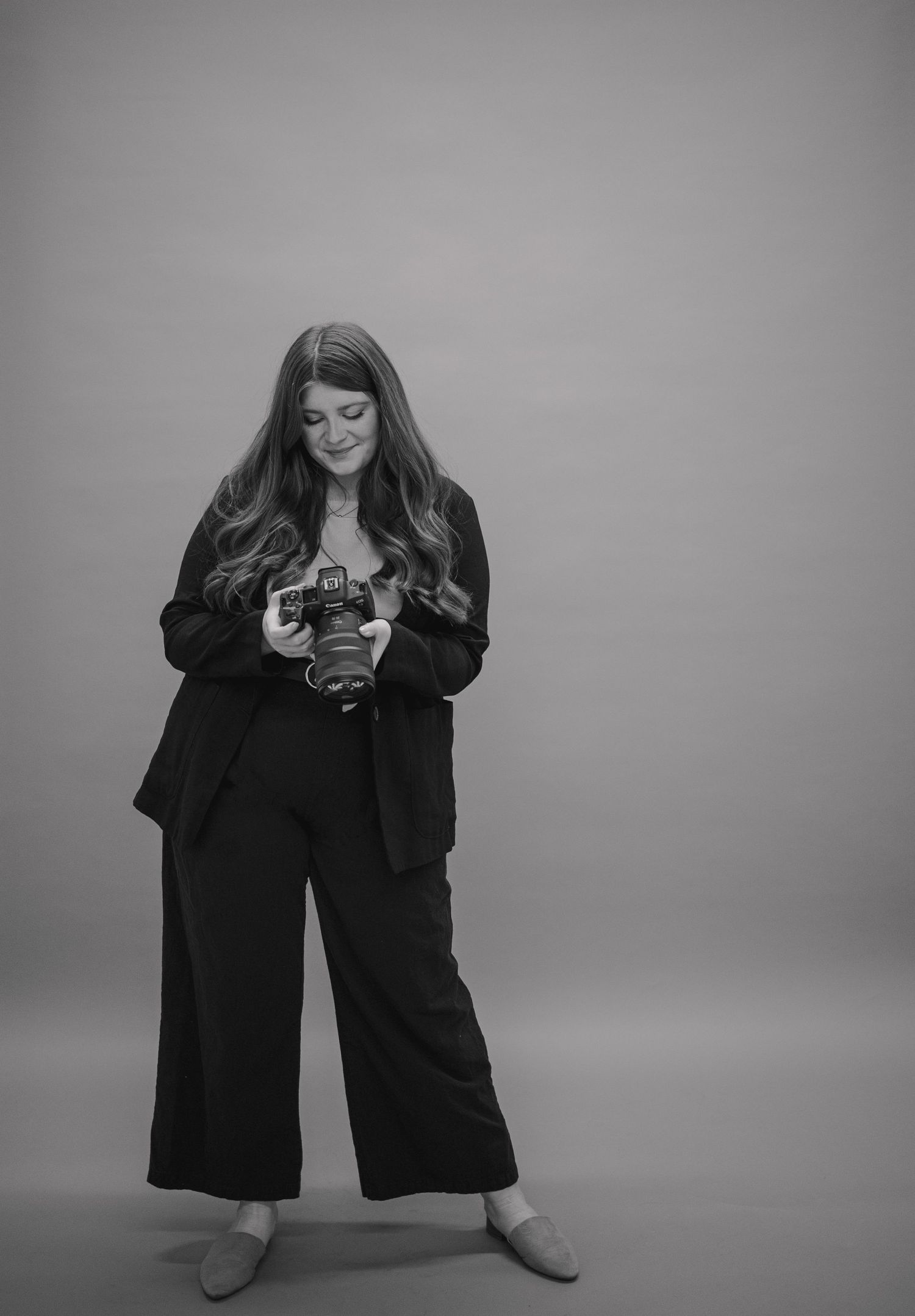
Full-day coverage allows me to plan your timeline around how the day should feel, not around an end time. We map everything out in advance so the day flows smoothly and you can focus on being present with the people you love.
What questions do you have about timeline planning?